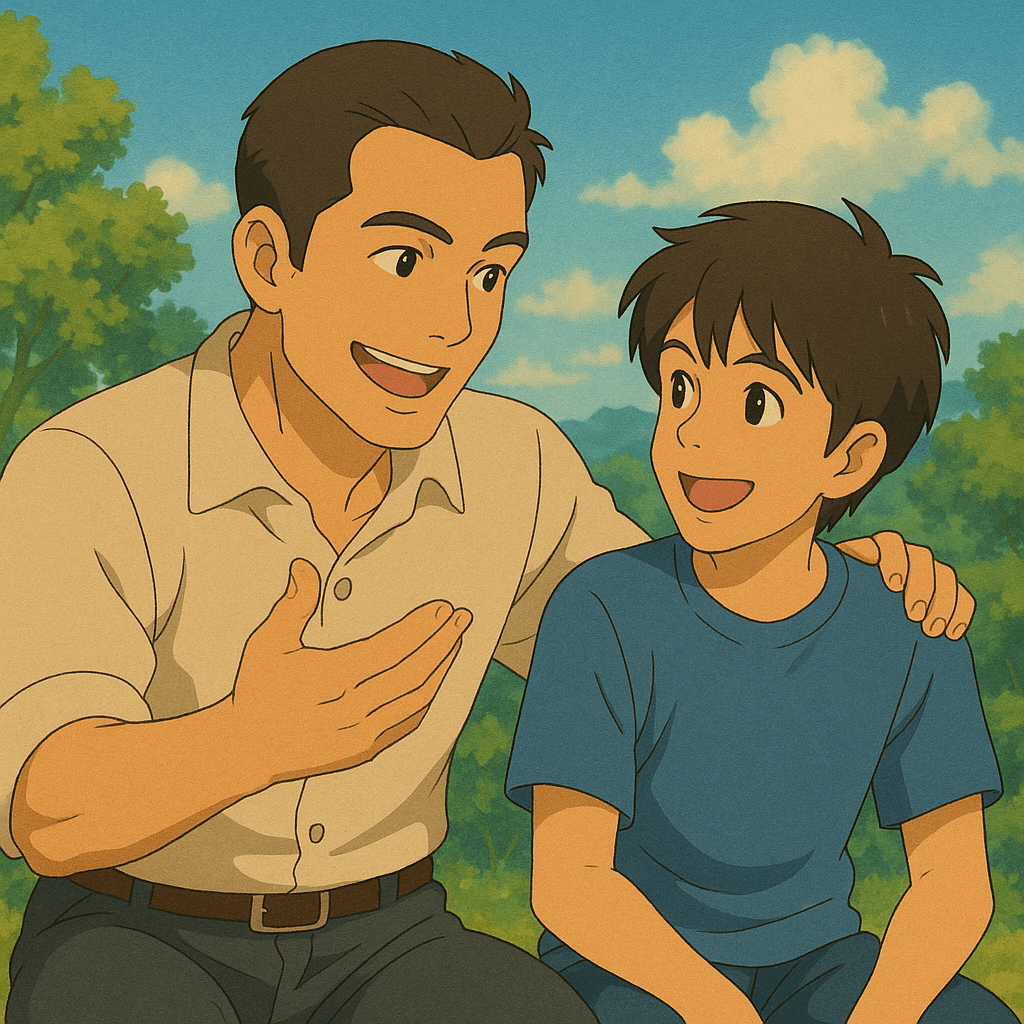
If I had to choose three life skills I’ve learned — and relearned — through every season of my journey, the kind that remain relevant no matter where you are or what you do, they would be:
- A positive mindset
- The ability to deal with failures
- The art of prioritizing
I consider myself fortunate to have crossed paths with people early in my career who shaped these lessons — mentors disguised as managers, colleagues who felt more like companions than competitors. The kind of people who don’t just guide your work, but illuminate your life. Their wisdom has become my compass.
And truthfully, I wish these skills were taught earlier — in schools, universities, even within families. So that young people don’t just graduate with degrees and offer letters, but also with the mental resilience and clarity to build, sustain, and enjoy the life they aspire to.
1. A Positive Mindset
When I began my professional journey, I didn’t even know there was such a thing as a “mindset.” Positive, negative, neutral — thoughts were just thoughts. But I sensed I needed more control over them. I wanted to feel anchored, hopeful, and forward-moving — no matter the circumstances.
That inner nudge led me to explore the idea of a positive mindset. And since then, there’s been no turning back.
Believing that things will work out, that effort does pay off, that the glass is at least half full — this simple shift has changed how I show up in life.
A positive mindset doesn’t mean ignoring problems. It means believing there’s always a path forward. It’s what enables your brain to look for solutions, to choose the right actions, and to spot opportunities even in chaos.
Surprisingly, though, we rarely talk about this in any structured way. Not in classrooms. Not at home. Not even in corporate training programs. And yet, this one skill can transform how we experience everything else in life.
I hope that changes soon.
2. Learning to Deal with Failures
This one — it hurts, but it heals.
Chasing dreams, growing as a person, building anything worthwhile — none of it comes without missteps. And no one, absolutely no one, escapes failure on the road to success.
I truly believe that punishing mistakes, especially in childhood or early adulthood, is one of the most damaging things educators or caregivers can do. Unless someone is causing harm — to themselves or others — mistakes should be seen as a part of the process.
Getting it right the first time is great. But not quitting? Not losing yourself in the weight of your mistakes? That’s the real superpower.
If we could help every young adult work through their fear of failure before they step out into the world, we’d be nurturing not just achievers, but resilient, creative human beings.
The bigger the dream, the bigger the roadblocks. What matters is how quickly and how bravely you stand back up. Every. Single. Time.
3. Prioritizing
If there’s one silent thread that holds adult life together, it’s our ability to prioritize.
So much is happening, so many roles we juggle — if we don’t learn to manage our time, energy, and attention, we lose ourselves in the noise.
There’s no universal formula for this. Each life is unique. But I do believe some priorities remain timeless:
- Fitness > It’s the foundation. Everything else builds on a healthy body and mind.
- Time > Our most valuable asset. Spend it like it matters — because it does.
- Relationships > They nurture emotional stability, which is key to lasting joy.
- Money > Learn it. Respect it. But don’t tie your worth to it. Be curious, not consumed.
We’ve reached a point where kids are learning to code at age four — incredible, but also ironic. Because before they learn to code, they need to learn how to cope — with setbacks, with change, with the art of choosing what truly matters.
These foundational life skills don’t just help you build a career. They help you sustain a life.
It’s never too late.
To realign your priorities. To reshape your thinking. To give yourself permission to start small, and begin again.
No matter your age, role, or background — these shifts are for you, too. Try one at a time. Give yourself grace. Let them settle in until they become second nature.
It may not be easy, but it will be worth it.
Until next time,
Stay hopeful. Stay grounded. Stay kind.
 The Sunday Draft
Leave a comment